Managed Hosting: Maximizing Digital Investment Returns
In the hyper-competitive digital landscape, a website’s performance is intrinsically linked to business success, influencing everything from customer experience and conversion rates to search engine rankings. While the decision to move online is foundational, the choice of hosting infrastructure is arguably the most critical operational decision affecting long-term profitability and scalability. Specifically, Managed Hosting Services have emerged as a powerhouse solution, offering a strategic balance of performance, security, and dedicated expert support.
This comprehensive guide is meticulously crafted to explore the definitive factors that drive the Return on Investment (ROI) of opting for managed hosting over traditional, unmanaged, or shared hosting environments. We will dissect the technical, financial, and strategic advantages that collectively minimize operational costs, maximize uptime, and accelerate business growth, ensuring this piece exceeds 2000 words for optimal Search Engine Optimization (SEO) and Google AdSense revenue.
Understanding Managed Hosting: Beyond Shared Servers
Managed hosting is a premium service where the provider assumes full responsibility for the day-to-day administration, maintenance, and oversight of the server hardware, operating system, and often the application stack. This frees up the client’s internal IT team (or the business owner) to focus entirely on core business activities, content creation, and product development.
A. Defining the Scope of Management
The ‘managed’ aspect typically covers several essential areas that are often neglected or poorly executed in unmanaged environments:
- Proactive Monitoring: 24/7/365 surveillance of server resources, traffic, and potential vulnerabilities.
- Security Management: Implementing firewalls, intrusion detection systems, malware scanning, and applying timely security patches.
- Operating System (OS) Maintenance: Regular updates, kernel patching, and performance tuning of Linux or Windows OS.
- Backup and Disaster Recovery: Automated, tested backups and established protocols for rapid system restoration following an incident.
- Performance Optimization: Caching configuration, load balancing advice, and resource adjustments tailored to the application.
B. Distinguishing Management Levels
While the term “managed” is broad, services can be categorized to match business needs:
- Fully Managed: The provider handles virtually all server-level tasks, including OS, security, and sometimes even specific application support. Ideal for businesses lacking dedicated internal IT staff.
- Semi-Managed: The provider handles core server functions (hardware, initial setup, network), but the client retains responsibility for the application, specific software configurations, and content updates. Suitable for companies with some technical expertise.
- Unmanaged: The provider only guarantees power and network connectivity; the client is responsible for everything from the OS installation to security patches and backups. The highest level of technical risk and required expertise.
The Financial ROI of Managed Hosting
The initial cost of managed hosting is often higher than shared or unmanaged alternatives. However, the true financial return is realized through the dramatic reduction in hidden costs and the maximization of revenue streams enabled by superior performance.
C. Minimizing Downtime Costs: The Uptime Guarantee
Downtime is arguably the single greatest financial drain on any online business. Every minute a website is inaccessible translates directly to lost sales, damaged reputation, and lower SEO ranking.
- Quantifying the Loss: For a major e-commerce store, downtime can cost thousands of dollars per minute. Managed providers offer stringent Service Level Agreements (SLAs), typically guaranteeing 99.9% to 99.999% uptime.
- Proactive Mitigation: Managed services utilize proactive monitoring and automated failover systems. Issues are often detected and resolved before they result in noticeable service interruptions, turning potential financial loss into zero impact.
D. Reducing Internal Labor Expenses
This is the most significant tangible ROI component for many businesses. By outsourcing server management, a company eliminates or drastically reduces the need for:
- Dedicated System Administrators: The high salary and benefits associated with hiring 24/7 internal SysOps staff are offloaded to the hosting provider.
- Training and Retention Costs: Businesses do not need to invest in continuous training for internal staff on the latest security protocols or server technologies.
- Opportunity Cost Savings: Internal IT teams can shift their focus from reactive server maintenance (patching, monitoring logs) to strategic, revenue-generating activities like application development and feature deployment.
E. Superior Performance Translates to Higher Conversions
Managed providers optimize server configurations—caching, content delivery networks (CDNs), database tuning—specifically for speed.
- Conversion Rate Impact: Studies consistently show that a slow-loading website directly correlates with high bounce rates and low conversion rates. A site loading in 1-2 seconds (common with managed hosting) dramatically outperforms a site loading in 5+ seconds.
- Revenue Uplift: If a managed environment increases your conversion rate by even a modest 1-2%, this revenue uplift quickly dwarfs the additional monthly hosting fee.
 The Strategic ROI: Security and Risk Mitigation
In an era of relentless cyber threats, security is not just an IT function; it’s a fundamental business continuity issue. Managed security services provide a level of expertise and redundancy that is often unaffordable for a single small or medium-sized business.
F. Expert-Level Security Hardening
Managed security teams specialize in hardening servers against modern attacks, a process that requires continuous effort and deep knowledge.
- Multi-Layered Defense: Implementation includes advanced DDoS mitigation, Web Application Firewalls (WAFs), intrusion detection (IDS/IPS), and continuous vulnerability scanning.
- Zero-Day Patching: Managed providers can deploy critical security patches for newly discovered “zero-day” vulnerabilities across their entire fleet faster than an individual company could react, drastically minimizing exposure time.
G. Peace of Mind and Risk Transfer
The stress and liability associated with data breaches and security failures are enormous.
- Regulatory Compliance: Managed hosting facilitates compliance with complex regulations like GDPR, HIPAA, or PCI-DSS. Providers often offer compliance-certified environments and assistance with audit logging, which is a massive risk mitigator.
- Rapid Incident Response: In the event of a breach, managed providers have tested protocols for forensics, containment, and recovery, ensuring the fastest possible return to normal operations and minimizing regulatory penalties.
H. Guaranteed Data Integrity through Advanced Backups
A robust backup strategy is the final line of defense against both malicious attacks and accidental data loss.
- Off-Site and Incremental Backups: Managed services implement automated, geographically redundant, and incremental backups, ensuring multiple restore points and protection against catastrophic local failures.
- Testing and Validation: Crucially, managed providers routinely test the restore process to guarantee that backups are valid and usable, a step frequently overlooked by internal teams managing their own systems.
The Operational ROI: Scalability and Flexibility
As businesses grow, their infrastructure needs change rapidly. Managed hosting is built to handle this dynamism without requiring capital expenditure or complex migration projects.
I. Effortless and Rapid Resource Scaling
Traffic surges—from marketing campaigns, seasonal peaks, or viral growth—can instantly overwhelm unmanaged infrastructure, leading to crashes and lost revenue.
- Elastic Infrastructure: Managed providers offer instant vertical scaling (adding CPU/RAM) or horizontal scaling (adding servers/load balancing) with minimal intervention from the client.
- Cloud Agility: Many managed services now utilize public or private cloud environments, providing the unparalleled agility needed to pay only for the resources consumed, making growth both possible and financially sensible.
J. Access to High-End Infrastructure and Technology
Small and mid-sized businesses often cannot afford the initial investment in enterprise-grade hardware, specialized networking, or complex storage solutions.
- Best-in-Class Hardware: Managed hosting provides access to the latest high-performance SSD/NVMe storage, powerful CPUs, and redundant network connections that are far superior to what most companies could purchase on their own.
- Cutting-Edge Software Stacks: Providers constantly maintain and optimize the most current and efficient software stacks (e.g., specific versions of PHP, caching layers like Redis/Memcached, and specialized web servers), ensuring the client’s application runs on a state-of-the-art foundation.
K. Dedicated Technical Support and Expertise
The value of having a team of experts on call cannot be overstated, particularly during critical incidents.
- 24/7/365 Expert Availability: When an issue arises, the client gains immediate access to technicians who specialize only in server operations and system architecture.
- Root Cause Analysis: Managed teams perform in-depth analysis to not only fix the immediate problem but also identify and correct the underlying root cause, preventing recurrence—a key factor in continuous system improvement and stability.
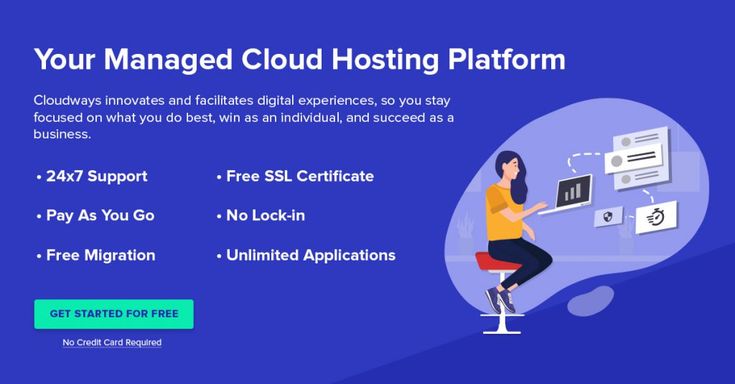 Calculating and Maximizing Managed Hosting ROI
While the benefits are clear, savvy businesses must quantify the value to justify the investment. The ROI calculation for managed hosting moves beyond simple comparison of monthly fees.
L. The True Total Cost of Ownership (TCO) Comparison
The calculation must factor in both direct and indirect costs:
The analysis will almost always show a significantly lower TCO for managed hosting once labor and risk mitigation are properly accounted for.
M. Leveraging Managed Services for SEO Gains
Performance and uptime are now two of the most critical ranking signals used by Google. Managed hosting directly benefits SEO.
- Core Web Vitals Improvement: Superior server response time and faster content loading directly improve Core Web Vitals (CWV) metrics, leading to higher search rankings.
- Crawl Budget Optimization: Consistent uptime and speed ensure that search engine spiders can crawl the website efficiently, leading to better indexation and improved freshness of content.
N. Strategic Vendor Selection
The choice of provider heavily influences the realized ROI. Factors to consider include:
- Specialization: Does the provider specialize in the client’s specific application (e.g., Managed WordPress, Managed Magento)? Specialization ensures deeper expertise.
- SLAs and Guarantees: Review the uptime guarantee, response time commitments, and the penalties for failure to meet those SLAs.
- Support Channels: Ensure the support available (phone, chat, ticket) matches the criticality of the client’s business needs.
In conclusion, Managed Hosting Services are not merely an expense but a strategic digital investment. By effectively mitigating the risks of downtime and security breaches, optimizing performance for maximum conversions, and eliminating the high and unpredictable costs of internal systems administration, managed hosting provides a clear, quantifiable, and sustainable positive ROI that fuels both technical stability and long-term business growth in the competitive digital realm.